NNMC BETHESDA HOSPITAL WRIST BRACELET, DECEMBER 1970
CHARLES RONALD WINKLER:
The Bethesda Naval Hospital 1971 Project
WORKING TITLE ~ "WARD 3-C"
JUNE 21, 2026
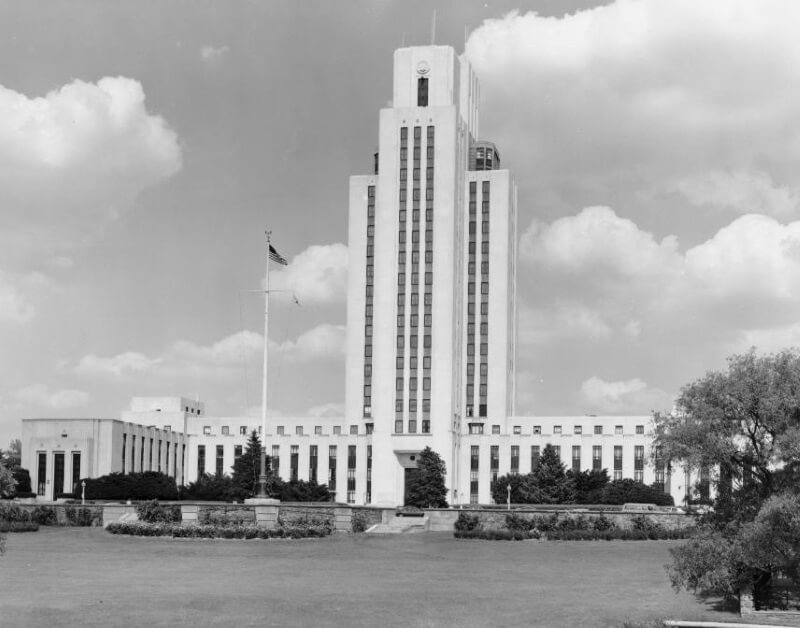
My name is Charles Winkler. I was born on April 18, 1954, at Balboa Naval Hospital, San Diego, California. I currently live in Nags Head, NC.
This website is an introduction to my idea for a movie about my experiences during treatment I received as the son of a naval officer at Bethesda Naval Hospital during my junior year in high school. It is a true story based on vivid memories I have of the time I spent there.
My father graduated from the U.S. Naval Academy, class of 1948. He was a submariner and commanded the USS REDFISH from 1961 to 1963, then served as a squadron officer at the Ballast Point submarine base on Point Loma through 1968. He was then stationed in London, England, with the Military Sealift Command until 1970, when we returned stateside to Kensington, MD. I was 16 years old and enrolled in Albert Einstein High School. as a junior. (more background information) HERE
While working on the stage crew in November, 1970, on the school's production of the play OKLAHOMA, I injured my left foot after jumping down onto a catwalk above the stage to adjust a scrim. The puncture wound I received eventually led to my initial admittance, in December 1970, to the National Naval Medical Center in Bethesda, MD. I was the only civilian dependent on orthopedic Ward 3-C, where soldiers recently wounded in Vietnam were evacuated to for specialized treatment of specific wounds.
PDF for this website;

|
_BNH 1971 PROJECT YOLA SYNOPSIS 6-21-2026.pdf Size : 4959.76 Kb Type : pdf |
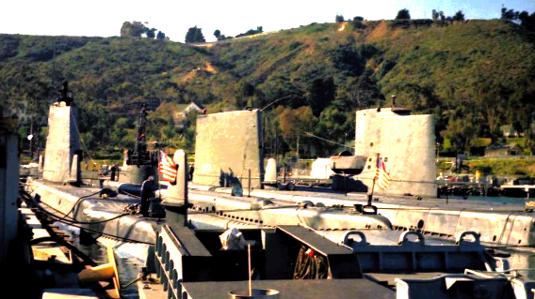
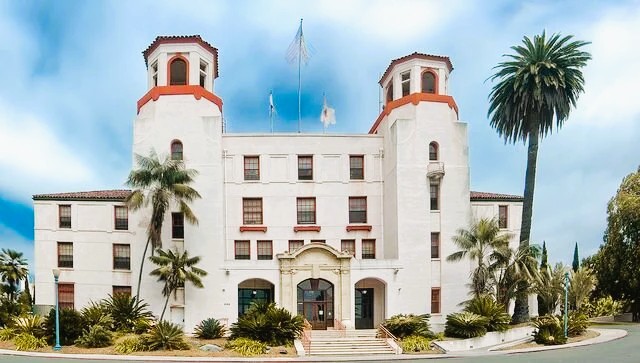
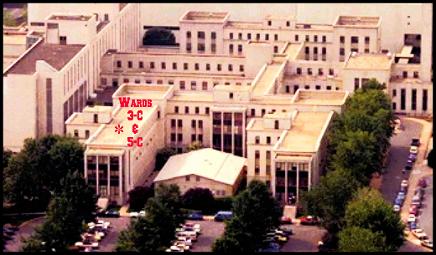
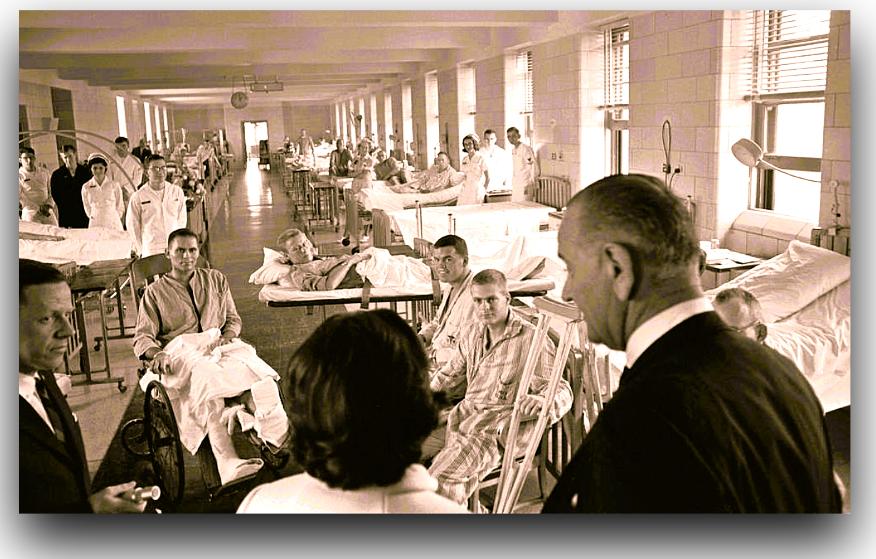
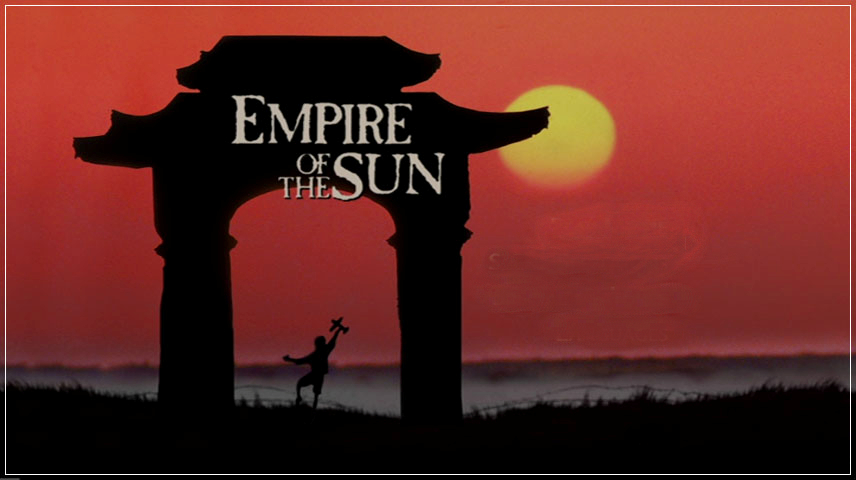
The whole experience was like "MASH" meets "One Flew Over The Cuckoo's Nest," with some "Empire of the Sun" adding to the mix. I was the youngest patient among an all-military cast, most of whom had been wounded in Vietnam. I spent my time on two orthopedic wards during my stay there, 3C & 5C. I have discovered recently that Ward 3-C was for new patients and 5-C was for final recovery before being released back to full duty status.
A bolt holding the catwalk above the stage had punctured my foot, and it took almost 5 months to get that sorted out. A piece of my tennis shoe had lodged next to a bone in my foot, which caused a severe infection. which was compounded by an infection that had become entrenched in the operating rooms from the treatment of Marines who had been wounded in Vietnam.
“Antibiotics were often administered prophylactically, but at a cost that only became apparent in retrospect, as resistant bacteria were increasingly reported from infected war wounds 3–5 days after injury. The significance of Pseudomonas aeruginosa and resistant Gram-negative and Gram-positive isolates was most obvious during the Vietnam war.” HERE
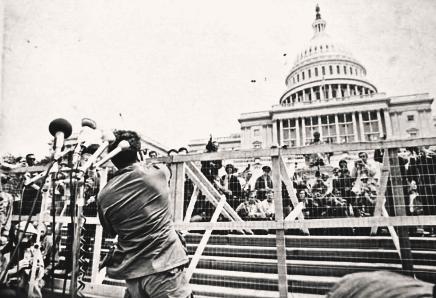
It was a "best of times ~ worst of times" situation that culminated just prior to release, with me joining a half dozen Marines from orthopedic ward 5-C leaving the hospital by car and going to the MADAY 1971 Vietnam Protest in Washington, D.C.
All the patients had injuries of some sort to their extremities and were either ambulatory or in wheelchairs, as I was. Most of them were alert and capable of normal activities. They were only constrained by the nature of their wounds.
The hospital staff on the wards consisted of military personnel ranging from young corpsmen to admirals, who occasionally came by during grand rounds on Fridays. We had access to all the areas in the hospital, including other wards, that were open to visitors as well as some that we discovered through exploration.
My stepgrandmother worked in public relations at the hospital, so I had visited there on occasion prior to my admittance. I also frequented the 9-hole golf course that wove its way around the perimeter of the hospital. There was also an indoor basketball court that I visited often in the winter months.
The knowledge gained from these experiences gave me a feeling of confident familiarity with the situation that proved to be invaluable in my bonding with the other patients on the ward.
The story is based on the many experiences I had during my 4 1/2 month stay, ranging from tragic to euphoric, a truly unique and almost singular real-life journey.
I have compiled a list of those experiences and joined some pertinent social media outlets and Facebook pages in an attempt to find remembrances from wounded Vietnam veterans as well as service members from the medical ranks.
Regrettably, wounded veterans, across a wide spectrum of wars, from Vietnam through the war in Afganistan, have faced difficulty in obtaining proper medical care and timely benefits earned during their time in service to their country.
“For decades, military veterans have faced persistent and interrelated hardships, often centered around physical and mental health issues, challenges in transitioning to civilian life, and systemic difficulties in accessing benefits." HERE & HERE
UPDATE ~ 5-26-2026:
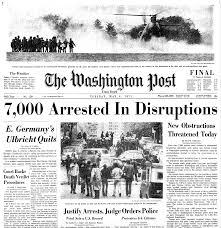
(The information presented here suggests the possibility of bringing to light that could be used to make the BNHP71 efforts more consequential. It ties in with the "expedition" I shared with some of the wounded soldiers mentioned above to the Mayday Protests inside the District of Columbia in early May,1971.)
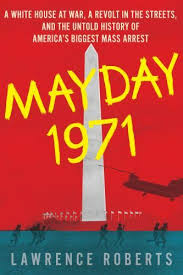
My initial research into the Mayday protests we attended in May of 1971 brought me to Lawrence Roberts' "Mayday 1971: A White House at War, a Revolt in the Streets, and the Untold History of America's Biggest Mass Arrest" (published 2020).
That exploration has provided definitive evidence regarding the importance of this brief but impactful period of American history.
“Award-winning investigative reporter Lawrence Roberts tells the story superbly from start to finish… With a talent for research and an eye for colorful detail, Mr. Roberts presents a lot of new and overlooked material… Mayday has been paid less attention than other protests of the period, and its significance overlooked. Mr. Roberts’ first-rate book redresses that imbalance.” —Wall Street Journal MORE
----------------------------------------------------------------------------------------
(The "imbalance" refers to the fact that while the Vietnam War era is heavily documented, the significance of the 1971 Mayday protests—the largest mass arrests in U.S. history—has been largely overlooked or forgotten.)
After looking over several reviews, I decided to reach out to Roberts via email to ascertain if he might have some comments to share concerning my undertaking.
I received this reply the same day:
Chaz,
"Very nice to hear from you. Your project sounds really interesting. You certainly landed in a unique place as a 16-year-old in the spring of 1971!
"I went back today to search both the Washington Daily News and the Washington Post digital news archives for that week and don't see any reference to that particular action. It certainly seems like the kind of thing that would have made it into the news, given that these were active duty guys in the middle of one of the most intense antiwar demonstrations of the times. Yet I don't find anything.
"Perhaps someone took photos. The Post and Washington Star photo archives were collected years ago by the historical section of the DC Public Library downtown. They aren't digitized, so you'd have to travel there in person or send a surrogate to see if any unpublished photos or contact sheets of your group exist. It would be a long shot, for sure.
"Were you downtown on the days of the arrests, or did the roundup happen after your visit?
"Again, thanks for reaching out and best of luck with the project.
Larry " Lawerance Roberts: HERE _____________________________________________
"One Flew Over the Cuckoo’s Nest endures because it dares to challenge power, elevate the voices of the silenced, and remind us that the fight for dignity and autonomy is always worth waging. From a novel that sparked controversy to a Broadway adaptation, to a film that made history,
One Flew Over the Cuckoo’s Nest remains, five decades on, a triumph of art and vision."
One Flew Over the Cuckoo's Nest
50th Anniversary ~ 4K Restoration
- Official UK Trailer - HERE
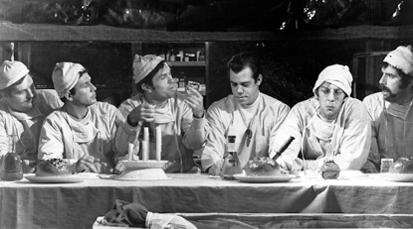
Additionally, this bold line cartooning allows for the greatest exposure and comic exploitation of the large and talented cast." HERE
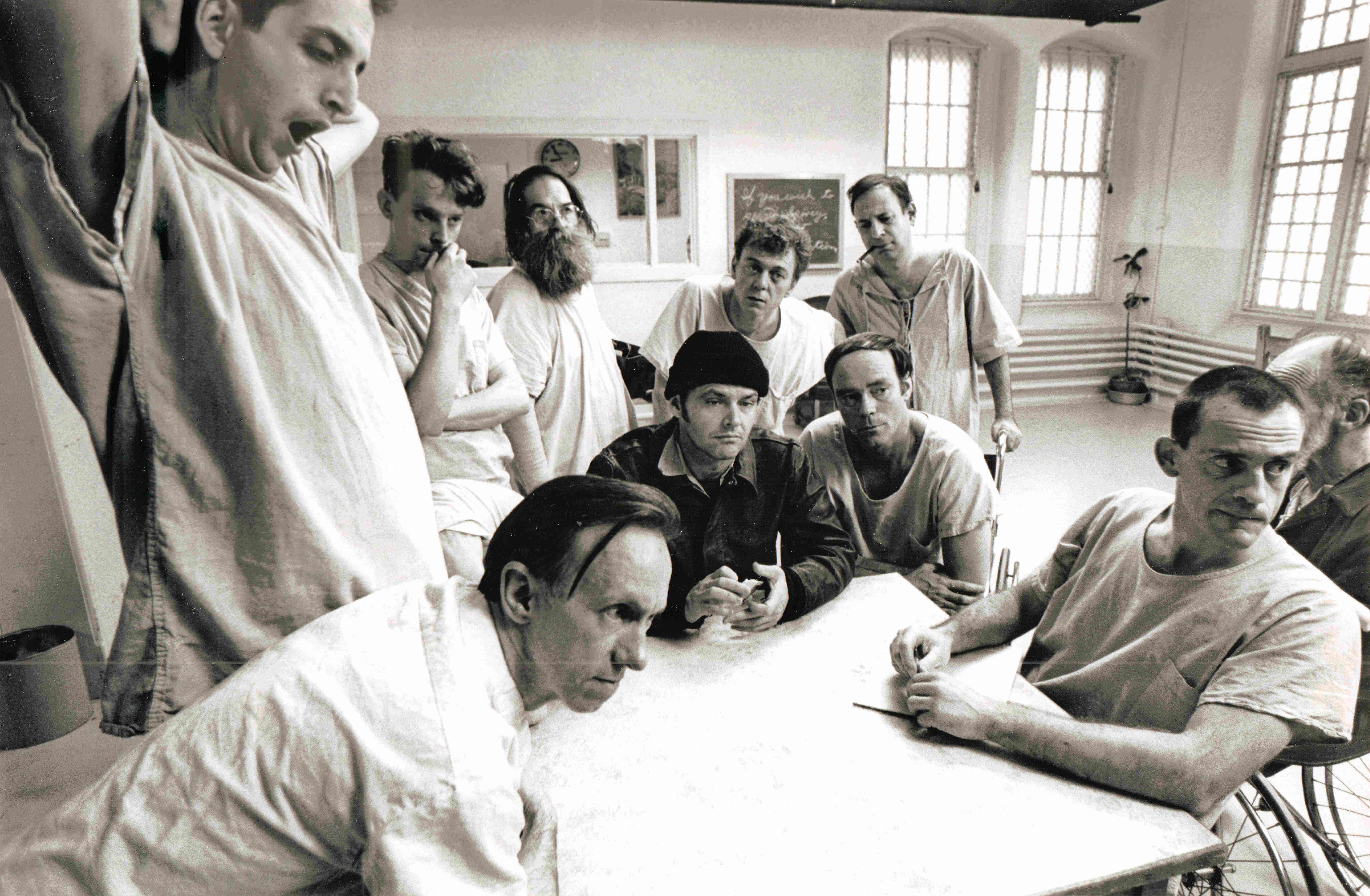
“One Flew Over the Cuckoo’s Nest” (1975) is on every list of favorite films. It was the first film since “It Happened One Night" (1934) to win all five of the top Academy Awards: for best picture, actor, actress. and screenplay. It could, for that matter, have won, too, for cinematography (and editing). I was present at its world premiere, at the 1975 Chicago Film Festival, in the 3,000-seat Uptown Theatre, and have never heard a more tumultuous reception for a film...." HERE
|
|
May Day 1971 shut down D.C. over the Vietnam War and reshaped American protests - The Washington Post.pdf Size : 193.308 Kb Type : pdf |
WEBPAGE LINKS:
THIS PAGE
https://www.iconsoncotton.com/bethesda.php
RESEARCH UPDATES PAGE:
https://www.iconsoncotton.com/bnhp71-yola-page.php
For more information about BNHP71:
BETHESDA NAVAL HOSPITAL PROJECT 1971;
CONTACT:
Charles R. Winkler
P.O. BOX 3
4008 SOUTH VIRGINIA DARE TRAIL
NAGS HEAD, NC 27959
252-564-5317
~ OSOBNC@gmail.com ~
|
|
_BNH 1971 PROJECT YOLA SYNOPSIS 6-21-2026.pdf Size : 4959.76 Kb Type : pdf |
|
|
na-13042-request-for-information-needed-to-locate-medical-records 3.pdf Size : 375.525 Kb Type : pdf |
|
|
CAPT C WINKLER SUB SUBMARINE HISTORY 1964.pdf Size : 864.241 Kb Type : pdf |