President Johnson and Lady Bird Johnson visiting an orthopedic ward in the National Naval Medical Center in 1967. The ward treated soldiers who had been wounded in the Vietnam war.
Additional research regarding the 1971 MAYDAY VIETNAM WAR PROTESTS in Washington, D.C., and how they fundamentally shaped the landscape of modern dissent.
BNHP71 PAGELESS PDF SYNOPSIS:

|
_ BETHESDA NAVAL HOSPITAL 1971 PROJECT PAGELESS SYNOPSIS 6-13-2026.pdf Size : 4924.594 Kb Type : pdf |
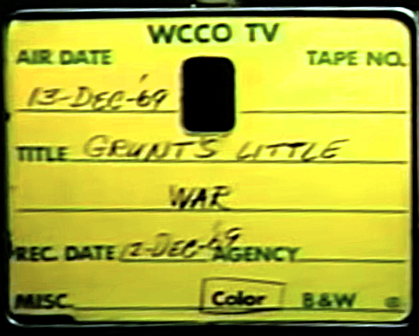
~ "GRUNTS LITTLE WAR" ~
WCCO MINNESOTA
In 1969, WCCO reporter Al Austin and photojournalist Gordon Bartouche traveled to the Vietnam War front lines and followed nearly a dozen soldiers from across Minnesota as they battled overseas thousands of miles away from home. Their work, called Grunt's Little War, won national awards, including a Peabody.
"May 2, 2021
C-SPAN Washington Journal
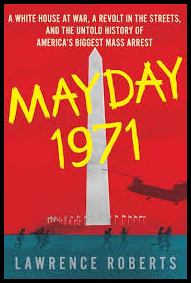
"Lawrence Roberts on the Mayday Protests of 1971
Tens of thousands of anti-Vietnam War protesters
-- young people and military veterans alike -- converged on Washington, D.C., in May 1971.
"More than 7,000 of them were arrested in a single day. American History TV looked back 50 years at the forces that collided on the capital's streets that spring with investigative journalist Lawrence Roberts.
"He is the author of:
Mayday 1971: A White House at War, a Revolt in
the Streets, and the Untold History of America's Biggest Mass Arrest."
"This was a joint production of American History TV and C-SPAN's "Washington Journal." HERE
David E. Hoffman, author
of The Billion Dollar Spy
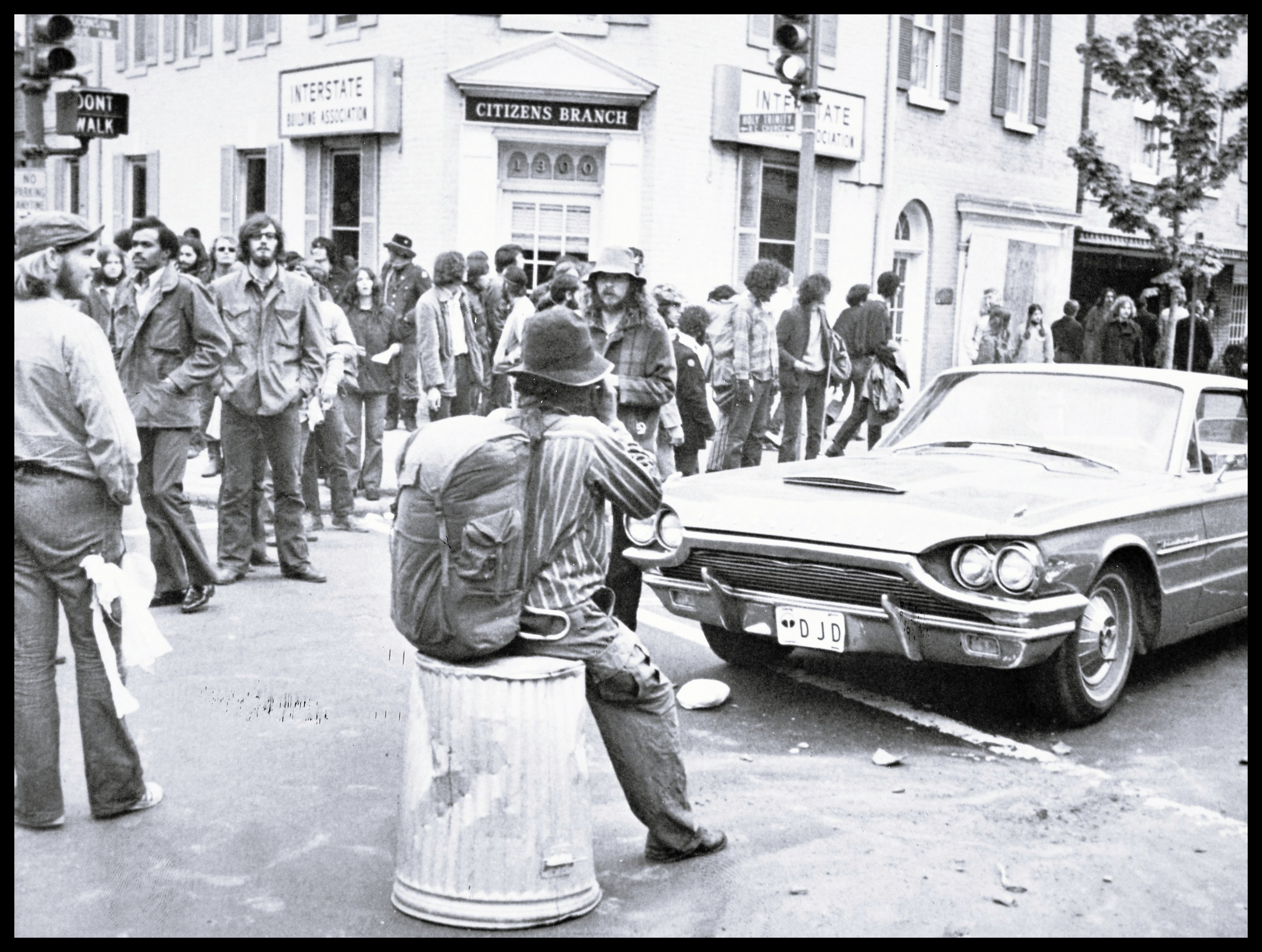
"In a Washington Post article dated September 23, 2019, longtime political organizer and historian L.A. Kauffman called the event the most influential protest you’ve never heard of and noted the event:
"contributed to helping end the Vietnam War and pioneered a new model of organizing that would shape movement after movement in the decades to come." HERE
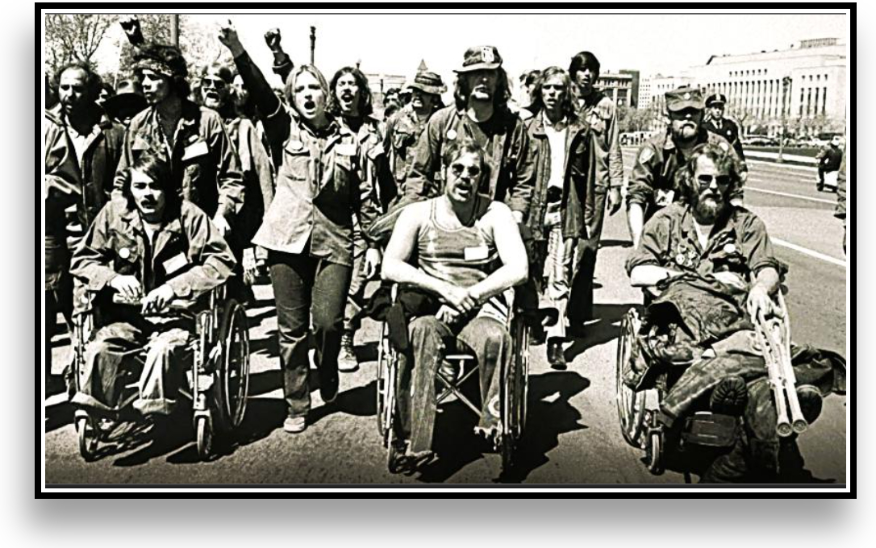
In Ken Burns and Lynn Novick’s acclaimed 18-hour PBS documentary series, The
Vietnam War (2017), wheelchair-bound veterans are prominently featured in
archival footage capturing the massive anti-war demonstrations of the early
1970s.
said, "This war's got to stop." In April 1971, John Kerry, one of the leaders
of Vietnam Veterans Against the War, testified before the Senate Foreign Relations Committee. Representing thousands of protesting veterans in Washington, he
famously asked lawmakers, "How do you ask a man to be the last man to die for a mistake?"
The next day, veterans demonstrated against the war, including throwing
their medals over a fence in front of the U.S. Capitol."
KEN BURNS AND LYNN NOVICK'S PBS DOCUMENTARY EXCERPT....HERE